Reader Forum: How Mesh Networks Create a Smart City
Rajant Kinetic Mesh has been battle-tested in military, mining, and disaster recovery operations. It now can be used across cities around the world.

Rajant
Innovators of intelligent wireless edge network solutions.
Rajant Kinetic Mesh has been battle-tested in military, mining, and disaster recovery operations. It now can be used across cities around the world.
Because of the huge potential for the industrial Internet of Things (IoT), that BT and Rajant have struck a partnership that brings Rajant’s kinetic mesh technology to BT’s network capabilities.
The Ray Operations consist of a 250,000-ton per day (tpd) open pit mine equipped to support both a 30,000 tpd concentrator and a 20,000 tpd concentrator.
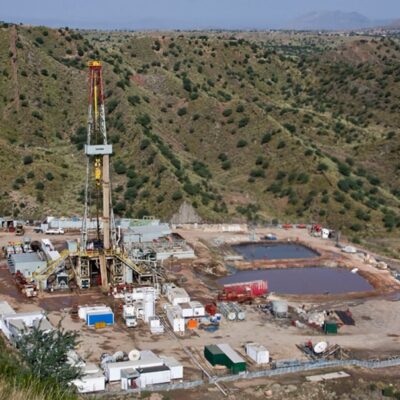
There’s been a lot of debate recently on the direction of oil prices over the next 12 months. At the end of February, U.S. crude oil was slated to achieve its first monthly gain in eight months and its biggest monthly gain since 2009. Favorable news for the industry, right? Not so fast.
Learn how Rajant’s scalable, high-availability, multi-frequency network ensures reliable communications in rugged terrain.
Rajant proudly sponsored a team for the Bike MS “City to Shore Ride” that assisted the non-profit in exceeding their $5.6 million goal by over a quarter million dollars (the most ever raised in a single event in the 33 years since its inception).
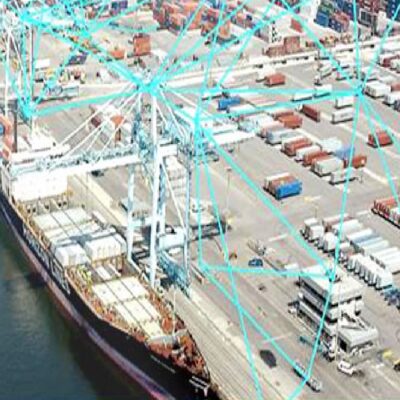
Moving shipping containers from a major rail terminal to multiple destinations is complex and the coordination of those shipments is daunting, and requires a network that can ensure that shipments and equipment remain in sync.
Shows like OilComm are great venues for Rajant. Not only can we talk about ourselves, but we can take what we hear from you back to our development team and keep our offerings on the leading edge.
No matter how well a wireless mesh network is planned and deployed, bad things happen to it over time. Devices are added. New applications are supported. Antennae are moved. Suddenly, the network is not working as it should.
Every once in a while, the concept of free, powerful, nationwide WiFi coverage regains the spotlight. The latest proposal, from the FCC, involves tapping unused television spectrum to ‘blanket’ many under-served areas across the country.